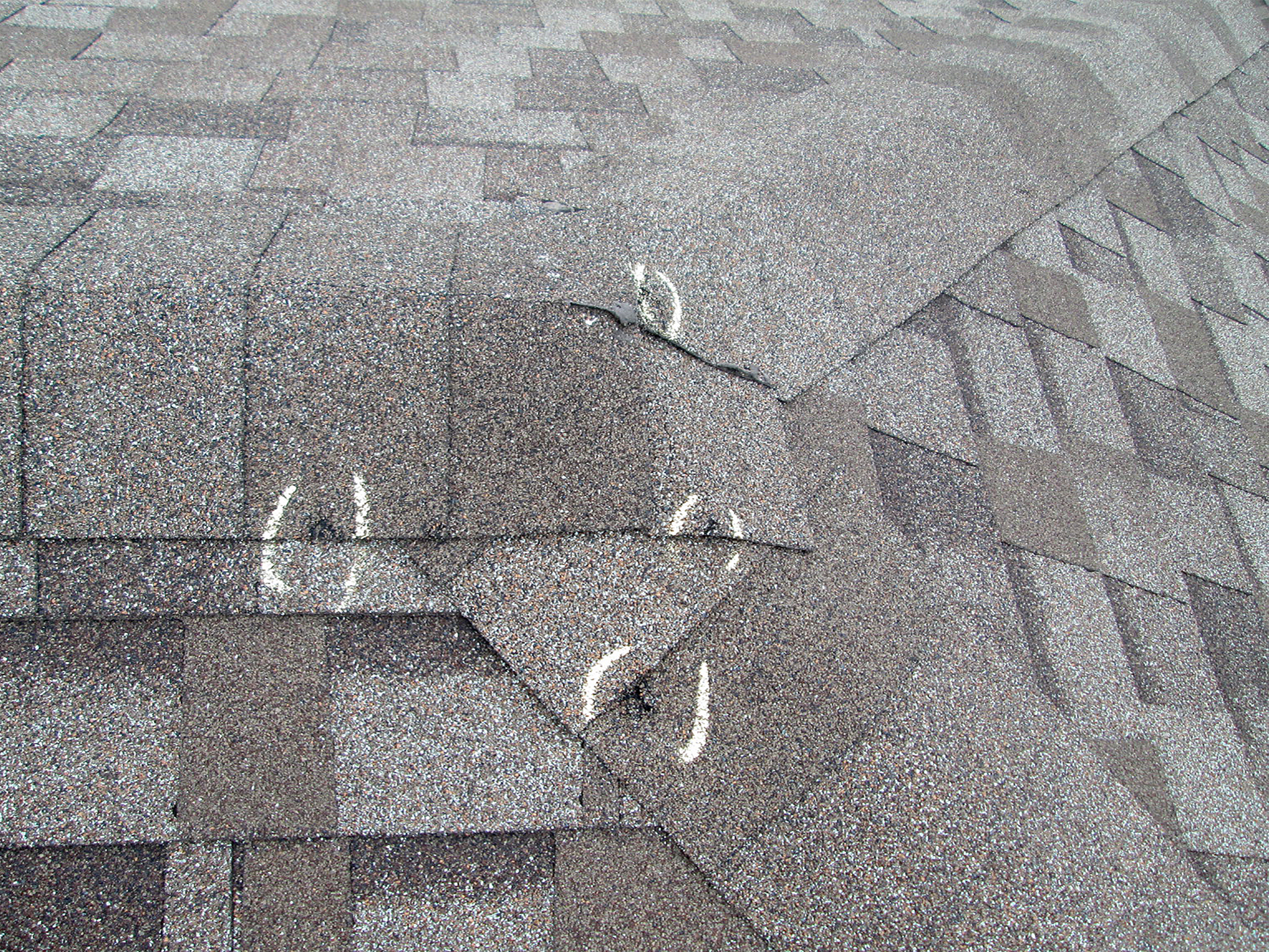
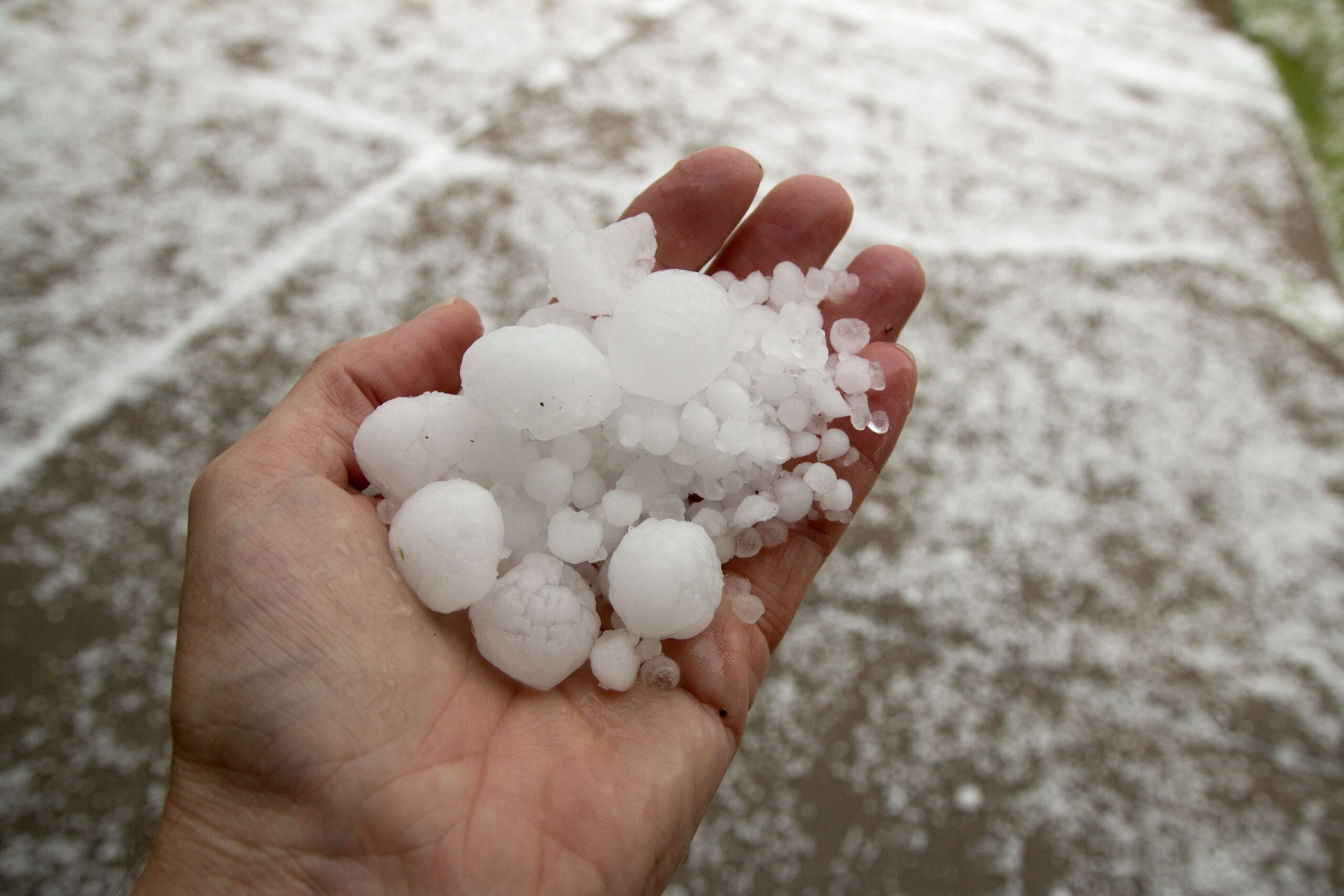
Not all storm damage is obvious from the ground, and that is what makes it easy to underestimate. Hail can strip granules from shingles without leaving a hole, wind can lift tabs and loosen flashing without blowing them off entirely, and ice buildup along eaves can work its way under shingles before you ever see a water stain on your ceiling. Knowing what to look for helps you act before a smaller problem becomes a much larger one.
Older asphalt shingle roofs, which are common across the Xenia area, tend to show these signs more quickly after a storm. Shingles that have already lost flexibility or adhesion are less able to hold up against repeated hail or strong gusts. A complete inspection after any significant storm is the best way to know what you are actually dealing with, including damage that has not yet shown up as an active leak inside your home.
Sheathing & Underlayment Repair
When hail or wind compromises your roof's surface, the damage often goes deeper than the shingles themselves. If the underlayment or wood sheathing beneath has been weakened, we address those layers directly so your roof has a solid foundation before new materials go on top.
Ridge Cap & Flashing Replacement
Ridge caps and flashing are two of the most vulnerable spots during a storm, and they are also two of the most important for keeping water out. We replace damaged ridge caps and re-secure or replace flashing around chimneys, vents, and valleys using materials suited to Ohio's temperature swings and wet seasons.
Ice Barrier Installation at Roof Edges
Xenia winters regularly bring conditions that allow ice to build up along eaves and valleys, and Ohio code calls for ice barrier protection in those areas. During storm repairs, we install or restore ice barrier material at the roof's edges so your home is better protected when temperatures drop, and snow or sleet arrive.
Spot Repair Versus Full Section Replacement
Not every storm calls for a complete tear-off, and not every area of your roof is damaged equally. We identify which sections need targeted spot repairs and which require broader replacement so your repair’s scale matches the actual damage, nothing more, nothing less.