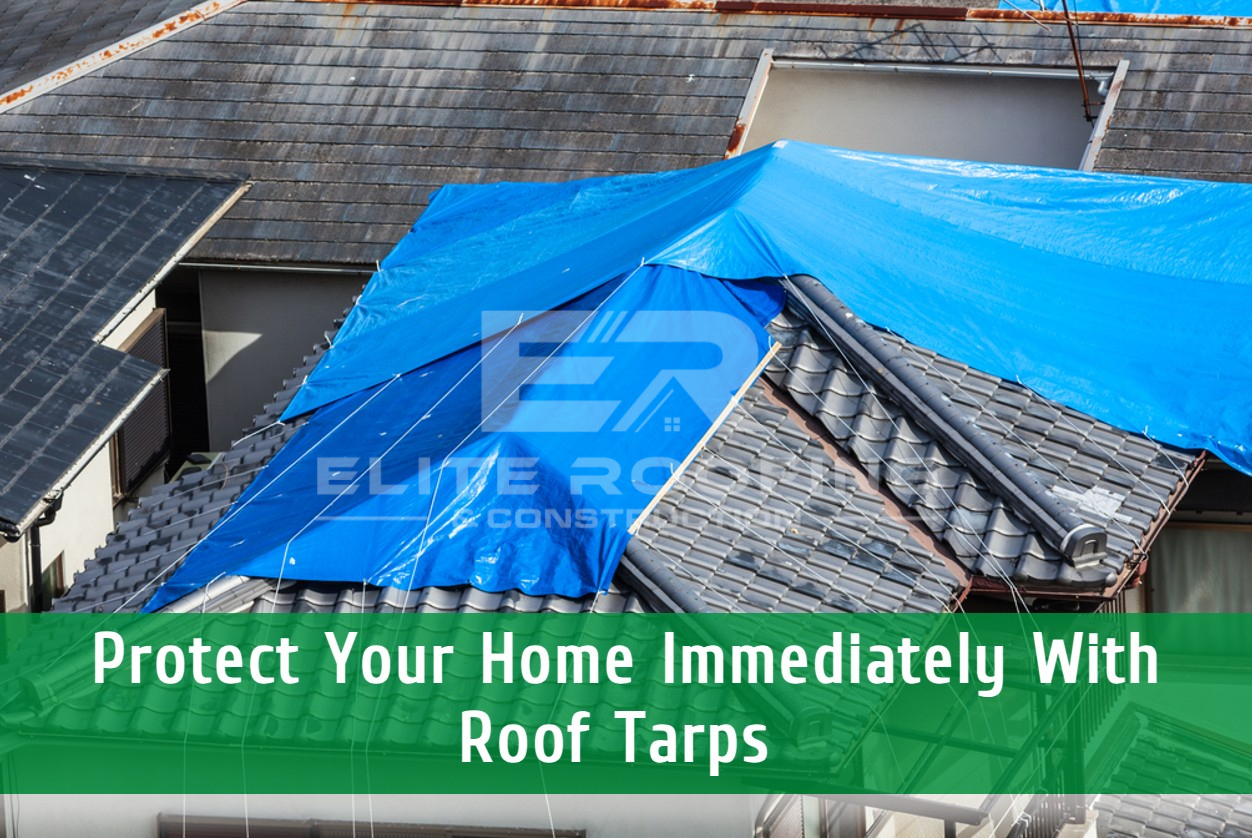
Not every roof problem needs an emergency tarp right away, but some situations cannot wait. In Wilmington, where wet weather can roll in quickly and temperatures drop hard in winter, knowing when to act fast matters. A gap in your roof covering left open overnight can lead to far more damage than the original problem caused.
Older homes in the Wilmington area often have worn flashing and aging shingles that make temporary coverage harder to seal cleanly, which is exactly why speed and proper anchoring matter so much. A tarp that lifts in the wind offers no real protection, and Wilmington sees wind storms frequently enough that securing the tarp correctly is not optional, it’s the whole point of getting one up quickly.
Heavy-Duty Tarp Materials Rated for Wind Resistance
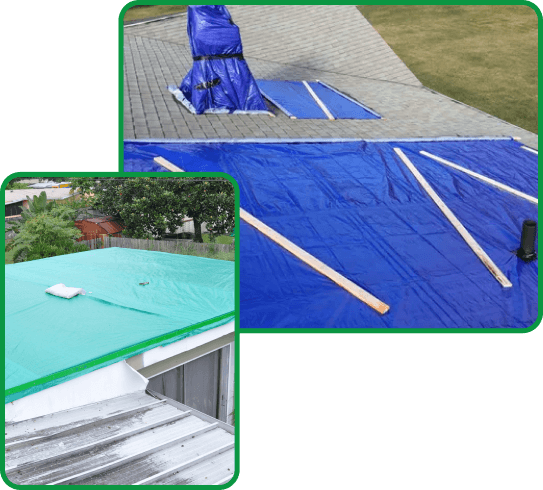
Not all tarps hold up the same way, and in Wilmington, where wind storms are common, the material used makes a real difference. We use heavy-duty tarps with reinforced grommets and anchor them with battens or weighted edges so the tarp stays flat and sealed even if another storm rolls through before your permanent repair is scheduled.
Coverage Sized to Your Roof’s Actual Damage Zone
A tarp that just covers the visible opening often misses surrounding areas where water can still get under worn shingles or cracked flashing. We size the coverage to extend beyond the damaged section, accounting for the slope and surface of your specific roof so water is directed away from the exposed area rather than pooling at its edges.
Winter-Ready Installation for Cold and Wet Conditions
Wilmington winters bring temperatures that can drop into the 20s, and wet roofing surfaces in those conditions require extra care to keep the tarp from shifting as temperatures change overnight. We account for freeze conditions during installation so the tarp holds its position through temperature swings rather than loosening as the surface of the roof contracts and expands.
Documentation of the Damaged Area for Your Records
Before the tarp goes up and after it’s secured, we document the condition of your roof so you have a clear record of what was damaged and when it was covered. That record can be valuable when you are coordinating with your homeowners insurance provider or tracking repair timelines for older roofing materials that may need additional attention.