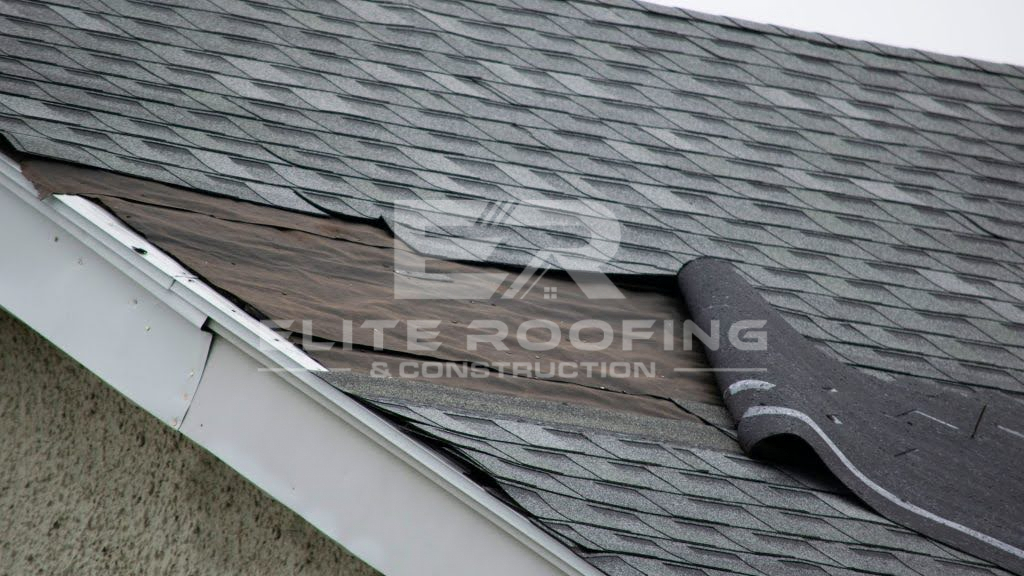
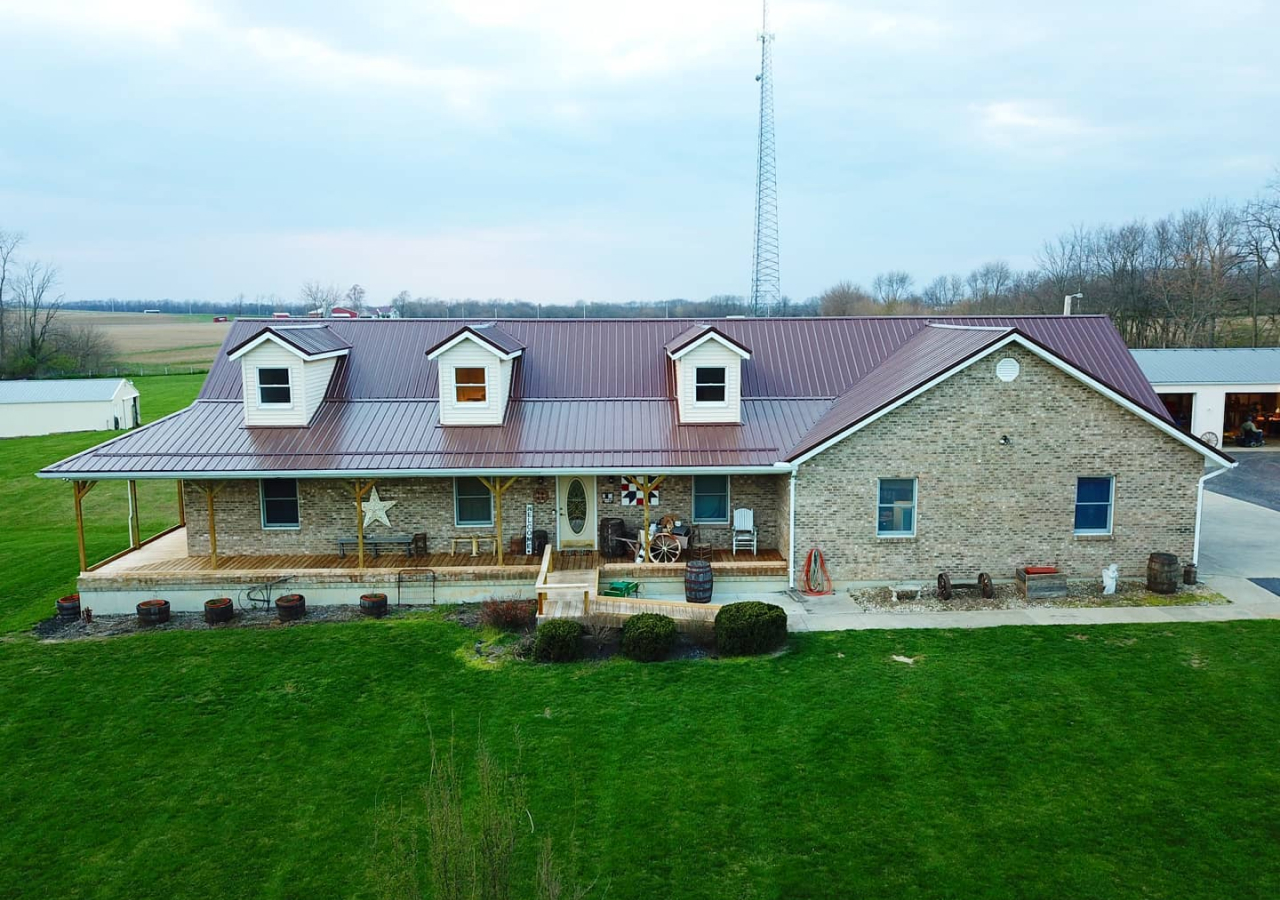
Peebles homes face a predictable set of roofing problems driven by the area’s wet winters, spring temperature changes, and heavy summer storms. Knowing which areas tend to fail first helps you prioritize repairs before minor damage turns into a bigger problem inside your home.
Valleys and flashing points consistently see the most concentrated wear on Peebles roofs because water from the entire surface of the roof funnels through those areas during every rainstorm. If your home is older, those spots deserve a close look each spring after the ice clears, since that is typically when damage that built up over winter becomes visible, and repair is straightforward before the storm season picks back up.
Shingle-Level Repairs Matched to Ohio Conditions
Not all shingle repairs are the same, and the type of damage Peebles roofs see from winter stress and summer storms requires material matching and installation that can handle repeated temperature changes and heavy precipitation. Replacement shingles are selected to work with your existing roof and hold up against the same conditions that caused the original failure.
Flashing Repair and Resealing Around Gaps
Chimney bases, pipe boots, skylights, and roof valleys are among the most vulnerable spots on any home, and repairs to these areas go beyond surface patching. Flashing is resecured, properly overlapped, and sealed to prevent water from finding a path through joints that expand and contract with every season.
Gutter and Drainage Corrections Tied to the Repair Area
When gutters are sagging, clogged, or pulling away from the fascia boards near a repair zone, they can redirect water back toward the roof edge and undo a solid repair quickly. Addressing drainage problems alongside the repair itself helps your roof shed water the way it is supposed to, especially during Peebles’ heavier rain.
Repair Scale Guidance for Aging Roofs
Older homes in the area often raise the question of whether targeted repairs still make sense or whether replacement is the better investment. You get a straightforward answer based on the actual condition of your roof, so you can make a confident decision without committing to more work than your situation calls for right now.