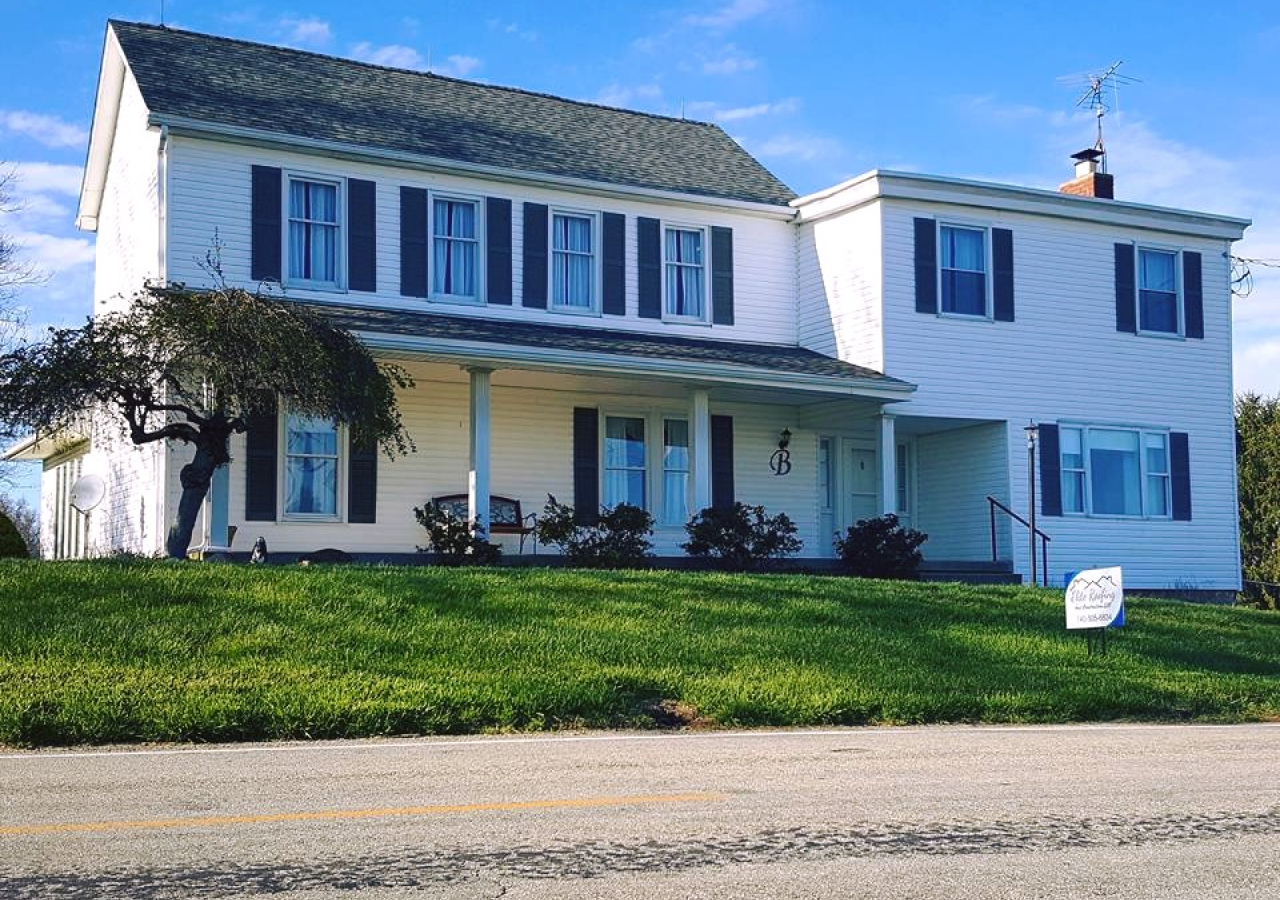
A complete residential roof inspection looks at far more than just the shingles you can see from the street. Southern Ohio's mix of rain, wind, hail, and repeated temperature changes creates specific failure points that only show up when you know exactly where to look. Understanding what gets checked helps you recognize why the findings matter.
Each of these areas tells part of the story. Taken together, they give you an accurate picture of your roof's condition and where attention is actually needed.
Roof Age and Repair History Review
Older single-family homes in Jackson often carry years of patching, layered repairs, and wear that isn't obvious from a quick look at the surface. Knowing your roof's age and what work has already been done helps put every finding in the right context, so you understand whether you're dealing with an isolated issue or cumulative wear across the whole system.
Chimney, Vent, and Gap Detailing
The spots where anything passes through your roof, chimneys, pipe boots, and vents are some of the most common places for hidden leaks to develop, especially after repeated temperature changes and heavy rain. These areas get a close look during every inspection because small gaps or failed seals here can let water travel well beyond where it entered before you ever notice a problem inside.
Starter Shingle and the Roof Edge’s Structural Integrity Check
Starter shingles and the first course along your roof's edge take the most direct hit from wind-driven rain and storm runoff, making them vulnerable in a market that sees consistent storm activity through much of the year. Checking this zone specifically helps catch lifting, separation, or missing material that can allow water to work its way under the surface before it shows up anywhere visible.
Storm Readiness and Seasonal Condition Rating
Beyond documenting what's wrong, a residential roof inspection in Jackson should tell you how well your roof is positioned heading into the next season of heavy rain, wind, or winter weather. You'll come away with a clear sense of whether your roof is ready to handle what's coming or whether there are weak points that need attention before conditions get worse.