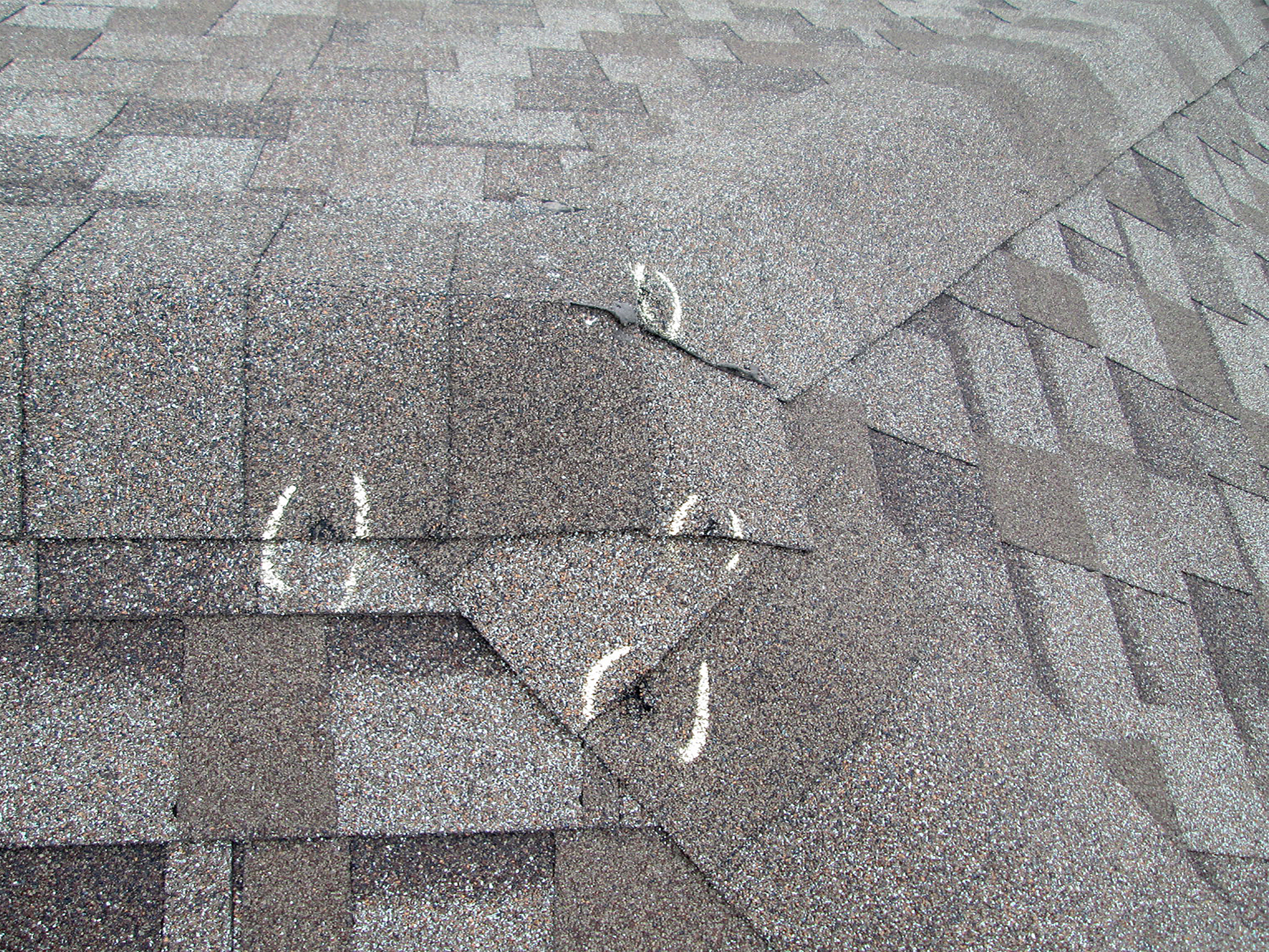
Hail does not hit every part of your roof the same way. Some areas take the brunt of a storm and show obvious signs, while others hide damage that only becomes a problem after rain moves through. Knowing what to look for helps you understand what an inspection is actually checking and why certain spots matter more than others.
Jackson's rolling terrain means two homes on the same street can see very different levels of impact from a single storm. That is why a complete inspection covers all of these areas, not just the most visible surface damage. Catching a cracked vent cap or lifted flashing early keeps a small repair from turning into a larger one once cold weather and temperature changes put additional stress on already weakened spots.
Spot Repair Versus Section Replacement
Not every hail hit requires tearing off large portions of your roof. When damage is limited to a specific area, we replace only the affected shingles or sections, which keeps your repair targeted and avoids unnecessary work on parts of the roof that are still in good shape.
Granule Loss and the Shingle’s Structural Integrity Matching
Hail strips granules from asphalt shingles, and those granules are not just decorative. They protect the underlying material from UV exposure and heat, so replacement shingles are matched as closely as possible to your existing roof to maintain consistent protection across the surface.
Deck and Underlayment Condition Under Damaged Shingles
When hail compromises a shingle, what sits beneath it matters just as much as the shingle itself. Before new material goes down, we check the roof decking and underlayment for soft spots, moisture, or damage that could cause the repaired area to fail again under future weather pressure.
Flashing Resealing Around Gaps
Hail impacts can break the seal around chimney flashing, pipe boots, and other roof gaps without visibly dislodging them. Resealing these spots as part of the repair keeps water from sneaking through openings that a surface-only fix would leave behind.