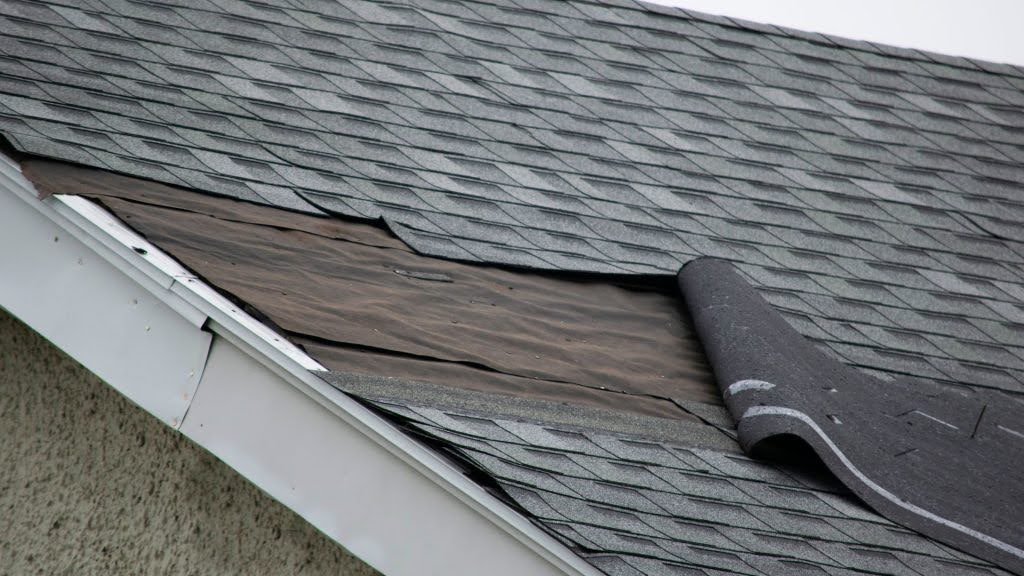
Chillicothe's weather patterns cause roof failures that homeowners deal with season after season. Knowing which issues qualify as true emergencies can help you act faster when something goes wrong, and faster action almost always means less damage inside your home.
Each of these points of failure shows up regularly in Chillicothe homes, and none of them get better with time. If you are seeing water stains, hearing dripping, or noticing daylight through your attic, treat it as urgent. The longer moisture sits in your insulation or wall framing, the more expensive repair becomes.
Targeted Flashing Repairs
Chimneys, skylights, and vent boots are among the most common entry points for water in Chillicothe's older homes, especially after temperature swings cause sealants to crack and separate. We carry materials specifically made for repairing the flashing around these areas, so we can address them during the same visit rather than leaving vulnerable spots exposed while waiting on parts.
Emergency Tarping for Active Breaches
When a storm tears away shingles or opens a section of decking, a properly installed tarp can keep water from spreading into your insulation and framing. We use heavy-duty tarping built to handle Chillicothe's wind conditions so your home stays protected until permanent repairs are complete.
Material Matching for Older Homes
Many older homes in Ross County were built with shingle sizes and colors that are harder to source quickly, which can leave patched areas looking mismatched or, worse, improperly sealed. We pre-stock materials that match this area's most commonly used shingles, so repairs blend in correctly and hold up to the wind-resistant standards required locally.
Shielding Your Roof From Moisture
The high humidity levels in Southeast Ohio mean that once a roof is breached, moisture can leak into underlayment and decking quickly. During every emergency repair, we check and reinforce the underlayment in the affected area to protect the decking beneath your shingles from moisture retention that can lead to rot and mold.