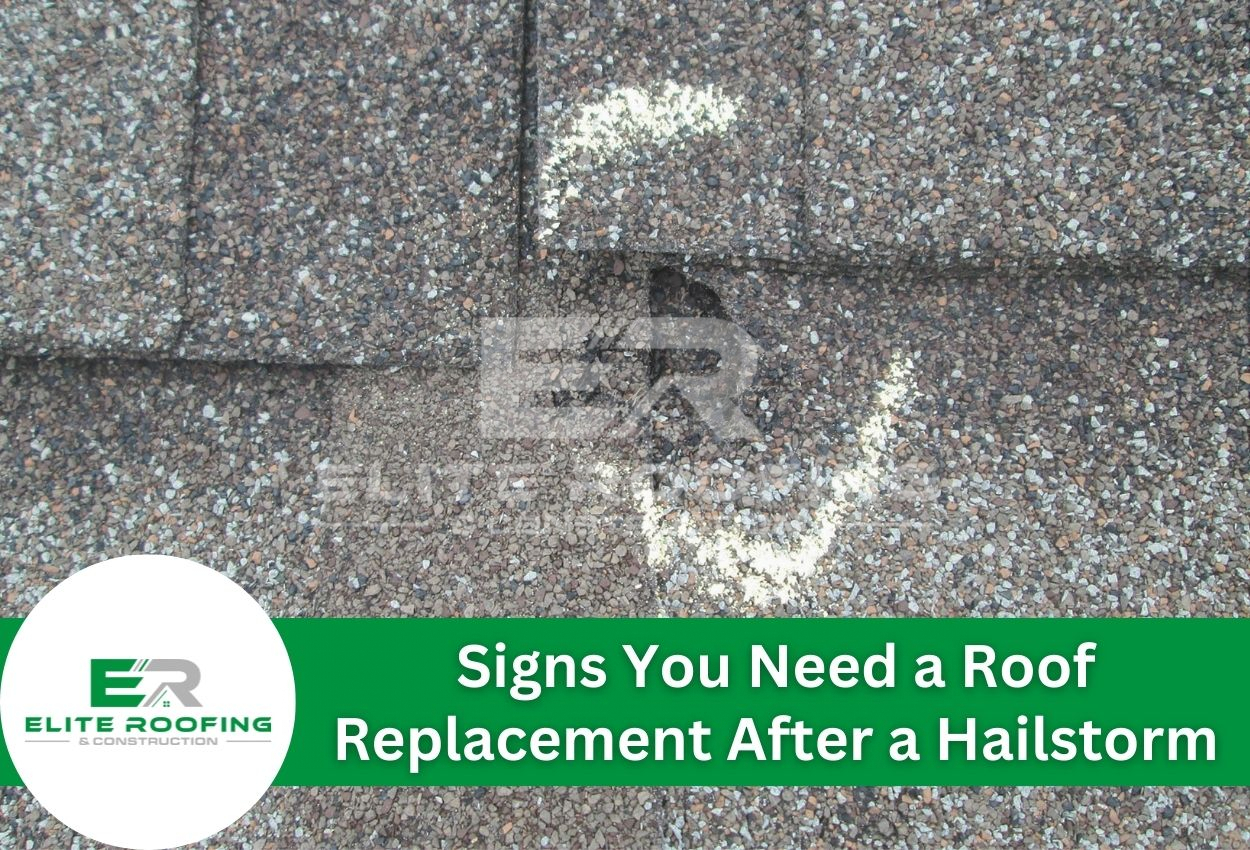





Your roof plays a critical role in protecting your home from Ohio’s harsh climate conditions. Whether it’s the freezing winters or the scorching summers, your roof is your first line of defense.
Over time, though, roofs can deteriorate and it’s essential to know when it’s time for a roof replacement. This way, you can respond promptly before further damage is incurred.
Key Takeaways: Roof Replacement in Ohio
- Age Matters Most: Asphalt shingle roofs last 15-30 years while metal roofs last 40-70 years—replace if yours approaches these limits.
- Cost vs. Repairs: Full roof replacement costs $5,000-$18,000 in Ohio, which beats ongoing repairs if you’ve needed multiple fixes recently.
- Climate-Specific Damage: Ohio’s 30-45 inches of annual rainfall and freeze-thaw cycles make shingle damage, granule loss, and mold growth critical warning signs.
- Hire Professionals Only: Roof replacement requires specialized skills and safety equipment—DIY attempts risk improper installation and building code violations.
Below are the key signs to watch for that indicate you might need a new roof in Ohio.
1. Age of Your Roof
One of the most straightforward factors to consider when determining if you need a roof replacement is the age of your current roof.
| Roofing Material | Expected Lifespan | Ohio Climate Considerations |
|---|---|---|
| Asphalt Shingles | 15-30 years | Most affordable; vulnerable to freeze-thaw cycles |
| Metal Roofs | 40-70 years | Excellent for heavy snow loads and extreme temps |
Asphalt shingle roofs typically last between 15 to 30 years, while metal roofs can last 40-70 years. If your roof is approaching or has surpassed this age range, it may be time to start thinking about a replacement.
2. Shingle Damage
This is perhaps one of the most common signs you need a roof replacement.
Inspect the condition of your shingles regularly. Look for signs of damage such as cracks, curling, or missing shingles.
In Ohio, where heavy snow and ice can accumulate during the winter months, damaged shingles are more susceptible to leaks and can compromise your home’s insulation. While asphalt shingles cost $4.50-$5.00 per square foot, their affordability comes with higher vulnerability to Ohio’s harsh weather.
If you notice a significant number of damaged shingles, it’s time to consider a roof replacement.
3. Extensive Water Leaks
Water stains on your ceiling or walls are clear indicators of a roof problem. Even small leaks can lead to significant water damage if left untreated.
If you notice water stains, mold growth, or compromised insulation in your attic or on your ceilings, have your roof inspected by a professional.
Addressing the issue promptly can prevent further damage to your home’s interior.
4. Granule Loss
Asphalt shingles have protective granules that shield them from the sun’s UV rays and provide fire resistance.
Over time, these granules can wear away. You may notice granules in your gutters or downspouts or a significant change in the color of your shingles.
Granule loss can accelerate the aging of your roof and compromise its ability to protect your home.
5. Sagging Roof
A sagging roof is a severe issue that requires immediate attention. It can indicate structural problems or water damage within the roofing system.
In Ohio, heavy snow loads during winter can contribute to roof sagging.
If you notice any areas of your roof that appear to be sagging or dipping, contact a professional roofer immediately for a thorough inspection.
6. High Energy Bills
High energy bills are also one of the most common signs you need a roof replacement.
If your energy bills have been steadily increasing, your roof may be to blame.
A damaged or aging roof can allow drafts and heat loss, making your HVAC system work harder to maintain a comfortable temperature in your home.
A well-maintained and properly insulated roof can help reduce your energy costs. Insulation upgrades during roof replacement typically cost $1,000-$1,500 and can provide significant long-term savings.
7. Mold or Moss Growth
Ohio receives 30-45 inches of annual rainfall, creating a humid climate that can encourage the growth of mold, moss, or algae on your roof.
While these organisms may not cause immediate damage, they can retain moisture and accelerate deterioration of your roof’s integrity over time.
Regular roof cleaning and maintenance can help prevent this issue, but if the growth is extensive, it might be a sign that a roof replacement is needed.
8. Visible Roof Deck Damage
If you have access to your attic or crawl space, inspect the underside of your roof deck. Look for signs of moisture damage, rot, or sagging. These issues can indicate long-standing leaks and structural problems.
Addressing them promptly is essential to prevent further damage to your home.
9. Multiple Repairs
If you’ve had to repair your roof multiple times in recent years, it may be more cost-effective to invest in a roof replacement. Full roof replacement in Ohio typically costs $5,000-$18,000, which can be more economical than ongoing repair expenses.
| Expense Type | Cost Range | When to Consider |
|---|---|---|
| Asphalt Shingle Installation | $4.50-$5.00 per sq ft | Minor localized damage |
| Insulation Upgrade | $1,000-$1,500 | High energy bills; replacement project |
| Full Roof Replacement | $5,000-$18,000 | Multiple signs present; roof age 15+ years |
Constant repairs can add up quickly, and an older roof may continue to develop new problems.
Just make sure to hire a professional that offers fair, competitive roof replacement cost Ohio property owners like you need and deserve.
10. Should You DIY or Hire a Professional?
Roof replacement requires specialized skills, knowledge, experience, and safety precautions that most homeowners don’t possess. Working at heights with heavy materials presents serious safety risks.
Professional roofing contractors ensure that your new roof is installed correctly and complies with all building codes and regulations. They also have access to commercial-grade materials and can spot potential issues that untrained eyes might miss.
The complexity of proper installation, from underlayment to flashing to ventilation systems, makes professional installation the smart choice for protecting your investment.
Call Elite to Check for These Signs You Need a Roof Replacement!
Whether it’s shingle damage, extensive leaks, granule loss, sagging roof, and more, we’ve got you covered.
Elite Roofing & Construction can perform a thorough roof inspection to ensure every roof issue is identified and addressed. Our experienced team will never miss even the smallest details. So call now to schedule an inspection with our experts!
How often should I have my roof inspected in Ohio?
Ohio homeowners should schedule professional roof inspections at least twice yearly—ideally in spring and fall—to catch weather-related damage early. After severe storms with high winds or hail, immediate inspections help identify hidden damage before it worsens. Regular inspections extend your roof’s lifespan and prevent costly emergency repairs.
What are the best roofing materials for Ohio’s climate?
Metal roofing and architectural asphalt shingles perform exceptionally well in Ohio’s variable climate. Metal roofs excel at shedding snow and resisting ice dams, while quality asphalt shingles with proper installation handle freeze-thaw cycles effectively. Consider impact-resistant materials if your area experiences frequent hail storms.
Can I replace just part of my roof instead of the whole thing?
Partial roof replacement is possible for localized damage on newer roofs, but matching existing shingles can be challenging due to weathering and discontinued products. If your roof is over 15 years old or damage covers more than 30% of the surface, full replacement typically provides better long-term value and uniform protection.
How long does a typical roof replacement take in Ohio?
Most residential roof replacements in Ohio take 1-3 days depending on home size, complexity, and weather conditions. Larger homes or those requiring deck repairs may take up to a week. Professional contractors work efficiently while ensuring quality installation, and they’ll reschedule if severe weather threatens proper installation.
What permits are required for roof replacement in Ohio?
Most Ohio municipalities require building permits for complete roof replacements to ensure work meets local building codes and safety standards. Reputable roofing contractors typically handle permit applications and inspections as part of their service. Permit requirements vary by city, so verify local regulations before starting your project.