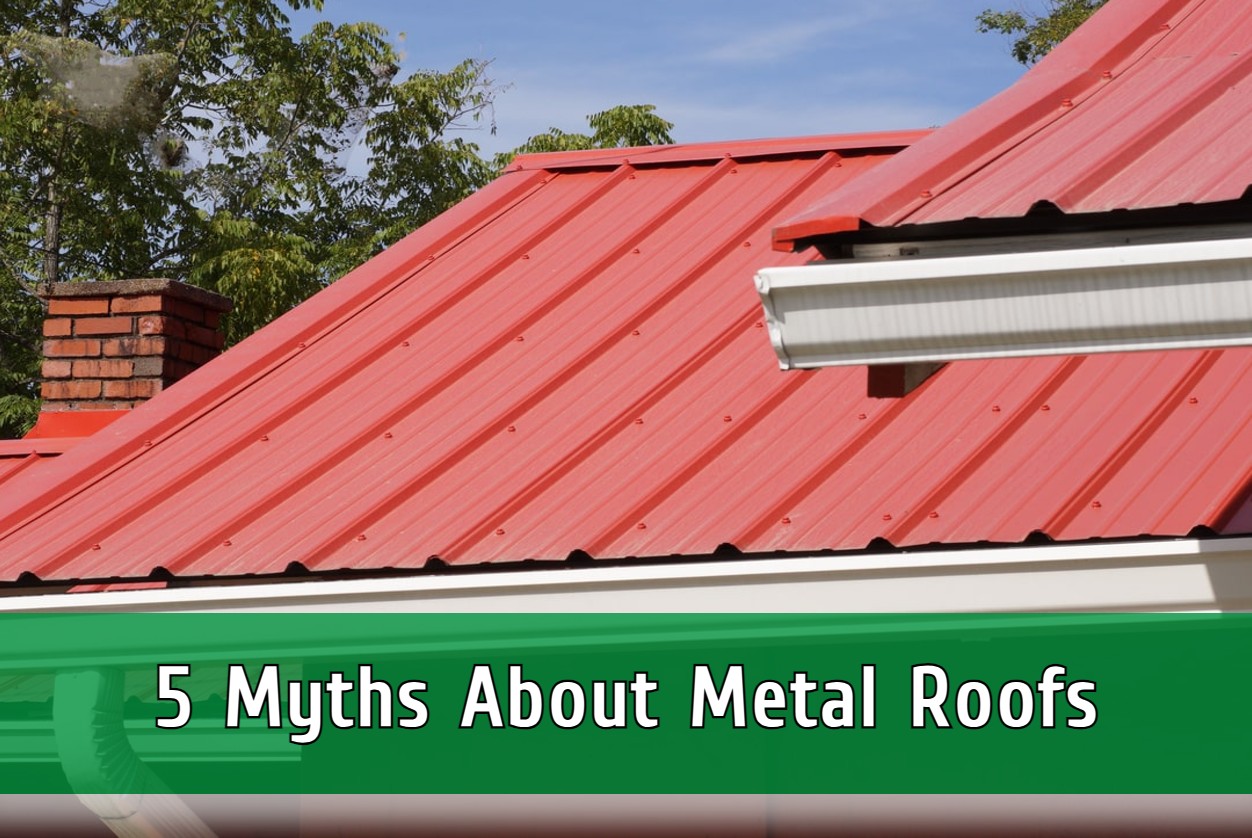





Metal roof myths have spread throughout the roofing industry for decades, creating confusion for homeowners who want to make smart roofing decisions. Many people still believe outdated information about metal roofs that simply isn’t true today. These misconceptions often come from stories about old agricultural buildings or materials from years past that performed very differently from modern residential metal roofs.
Common myths suggest that metal roofs are noisy during storms, attract lightning, or cost too much for average homeowners. Others claim that metal roofing systems look industrial or won’t last as long as traditional materials. These false beliefs prevent many homeowners from discovering the real metal roof benefits available today.
The truth about metal roofing systems vs. asphalt shingles reveals significant advantages that most homeowners never hear about. Modern residential metal roofs offer superior protection, an impressive lifespan, and surprising affordability. Understanding the actual pros and cons helps homeowners move past outdated assumptions.
Getting accurate information is essential when choosing roofing materials that will protect a home for decades. False beliefs about metal roofs can lead homeowners to miss out on a roofing solution that might be perfect for their needs and budget.
Myth #1: Metal Roofs Are Too Noisy During Rain and Storms
The belief that metal roofs create excessive noise during rain and storms ranks among the most persistent myths affecting homeowner decisions. This misconception stems from experiences with old barn roofs or commercial buildings that lacked proper insulation and underlayment systems.
Modern installation techniques have completely transformed how residential metal roofs perform during weather events. Professional installers now use multiple layers of insulation, solid decking materials, and advanced underlayment systems that effectively dampen sound transmission. These installation methods create a barrier system that prevents noise from reaching the interior of the home.
Sound level testing reveals surprising results when comparing metal roofs and asphalt shingles during actual weather conditions. Properly installed metal roofs produce only slightly more sound than traditional asphalt shingle systems during heavy rainfall. This difference is barely noticeable to human ears and falls well within normal household noise levels.
This noise discussion often overlooks how attic insulation and solid roof decking materials eliminate the drumming effect that people associate with metal surfaces. Residential metal roofs installed over plywood or OSB decking with standard attic insulation perform as quietly as any traditional roofing material.
Understanding these facts about modern metal roof installation helps homeowners recognize that noise concerns no longer represent valid reasons to avoid metal roofing systems for residential applications.
Myth #2: Lightning Strikes and Electrical Safety Concerns Are Real Dangers
Lightning safety concerns create one of the most dangerous metal roof myths that actually puts homeowners at greater risk during electrical storms. Many people wrongly believe that metal roofs attract lightning strikes more than other roofing materials, leading them to choose less safe alternatives.
In fact, metal roofing systems do not increase lightning strike probability compared to asphalt shingles or other roofing materials. Lightning targets the highest point in an area, not specific materials.
The reality about metal roofing systems vs. asphalt shingles during storms reveals that metal roofs actually provide superior protection. A metal roof’s conductive properties safely disperse electrical energy across the entire roof surface rather than concentrating it at a single point. This distribution reduces the risk of fire and structural damage if lightning does strike.
Fire resistance is another benefit during lightning strikes. Unlike combustible roofing materials, metal roofs cannot ignite from electrical strikes or flying sparks. This fire-resistant characteristic provides essential protection that asphalt shingles cannot match. Residential metal roofs offer better protection during storms while providing the same lightning strike probability as traditional materials, making safety concerns an invalid reason to avoid these roofing systems.
Myth #3: Metal Roofs Cost Too Much and Offer Poor Value
Cost misconceptions represent some of the most damaging metal roof myths that prevent homeowners from making financially smart roofing decisions. While metal roofing systems require a higher upfront investment than asphalt shingles, this comparison ignores the complete financial picture over the roof’s service life.
The lifespan of metal roofs significantly outperforms traditional roofing materials, creating substantial long-term savings. Quality residential metal roofs typically last 40 to 70 years, while asphalt shingles may only last 15 to 25 years. This extended durability means homeowners avoid multiple replacement cycles that asphalt shingle owners must endure.
Maintenance costs reveal additional benefits that impact total ownership expenses. Metal roofing systems require minimal maintenance throughout their service life, while asphalt shingle systems generally need regular repairs, periodic replacements of damaged sections, and frequent gutter cleaning from granule loss. These ongoing maintenance requirements add significant costs over time.
Additionally, energy efficiency advantages create monthly savings that help offset initial investment costs. Metal roofs reflect solar heat more effectively than asphalt materials, reducing cooling costs during warm months. These energy savings accumulate over decades of ownership.
Overall, the cost per year of service often favors metal systems. When homeowners calculate total expenses, including replacement needs, maintenance, and energy costs, the value proposition clearly demonstrates why residential metal roofs represent smart long-term investments rather than expensive upgrades.
Myth #4: Metal Roofs Look Industrial and Hurt Home Appearance
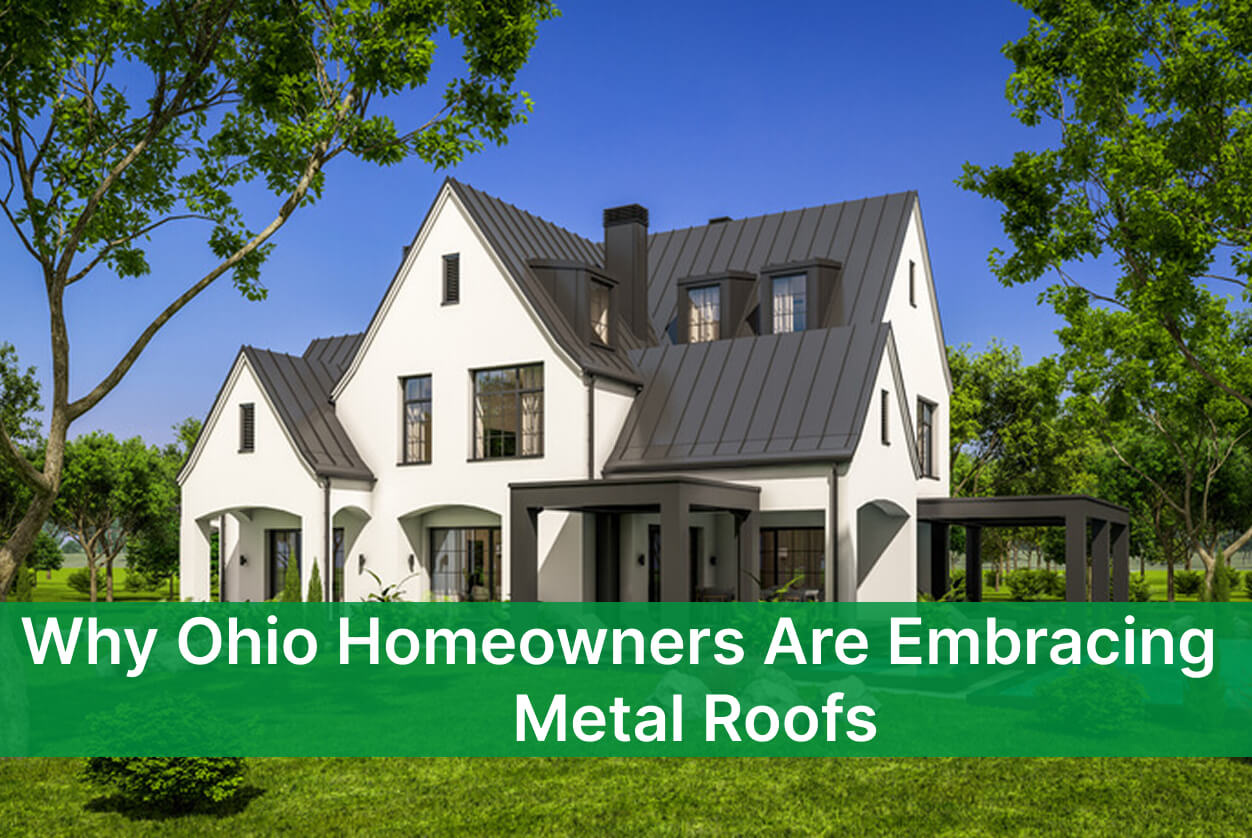
Aesthetic concerns are outdated myths that ignore the improvements in residential metal roofing design and manufacturing. Many homeowners still picture corrugated metal sheets or plain standing seam panels when considering metal roofing options, unaware of the sophisticated styling available in today’s market.
Modern residential metal roofs come in dozens of colors, textures, and profiles that complement any architectural style. Manufacturers now produce metal roofing systems that convincingly replicate slate, clay tiles, wood shakes, and traditional asphalt shingles while delivering superior benefits. These advanced manufacturing techniques create roofing materials that enhance rather than detract from a home’s appearance.
Additionally, quality metal roofs typically increase home values rather than harming curb appeal. Well-chosen metal roofs often become selling points that attract buyers seeking low-maintenance, energy-efficient homes. The longer lifespan also appeals to buyers who want to avoid near-term roofing replacement expenses. Metal roofs maintain their appearance throughout their service life without the fading, granule loss, and weathering that degrade asphalt shingles over time.
Understanding the design flexibility of residential metal roofs helps homeowners recognize that aesthetic concerns are no longer valid objections when evaluating roofing options for their homes.
Myth #5: Rust and Corrosion Will Destroy Metal Roofs Quickly
Concerns about rust and corrosion are one of the most outdated metal roof myths and are often based on experiences with inferior materials from the past. Modern residential metal roofs feature advanced coatings and galvanization processes that virtually eliminate traditional corrosion problems that affected older metal roofing systems.
Today’s metal roofing manufacturers apply multiple protective layers that create barriers against moisture and environmental elements. Galvalume coatings, a popular option, combine aluminum and zinc to form protective surfaces that self-heal minor scratches and resist corrosion for decades. These advanced materials extend a metal roof’s lifespan far beyond what homeowners experienced with older metal roofing products.
Proper installation and minimal maintenance practices keep modern metal roofs looking new throughout their service life. Unlike the maintenance requirements of asphalt shingles, residential metal roofs need only occasional cleaning and simple inspections to maintain their protective coatings.
Many quality metal roofing systems now carry warranties that guarantee against rust and corrosion for decades, demonstrating the manufacturer’s confidence in their protective technologies. These warranties reflect the performance data showing that corrosion-related failures have become extremely rare with properly installed modern systems.
Myth #6: Metal Roofs Perform Poorly in Extreme Weather Conditions
Metal roof myths about weather performance completely contradict real-world data and decades of field experience. This misconception suggests that metal roofs fail during severe weather events, when their actual performance demonstrates the exact opposite results across all weather categories.
High wind resistance testing reveals exceptional durability during severe storms. Metal roofing systems regularly withstand winds exceeding 120 mph when correctly installed, while asphalt shingle systems often fail at much lower wind speeds. The interlocking design of metal panels creates continuous attachment points that distribute wind stress across the entire roof structure rather than concentrating stress on individual shingles.
Along with wind resistance, impact damage comparisons between a metal roofing system vs. asphalt shingles show dramatic performance differences during severe hail events. While large hailstones can dent metal surfaces, the structural integrity remains intact, and the roof continues providing complete weather protection. Asphalt shingles often suffer granule loss, cracking, and complete punctures from similar hail impacts that require immediate replacement.
Temperature fluctuation testing also demonstrates superior expansion and contraction management in residential metal roofs compared to traditional materials. Modern metal roofing systems incorporate expansion joints and flexible fastening methods that accommodate thermal movement without creating leaks or structural stress.
A pros and cons analysis for weather resistance clearly favors metal systems, making weather concerns invalid reasons to avoid these superior roofing materials that consistently outperform traditional options during extreme conditions.
Learn More About Metal Roofs with Elite Roofing & Construction
Are you considering a metal roof but feeling overwhelmed by all the myths you’ve heard? Let Elite Roofing & Construction help you separate fact from fiction. Our experts can debunk common misconceptions and provide you with accurate, comprehensive information about metal roofing systems. Whether you’re concerned about noise, safety during storms, or the overall cost and value, we have the answers that will help you make an informed decision.
Understanding the real benefits of metal roofs, such as enhanced durability, longevity, and improved curb appeal, can significantly impact your roofing material choice. Don’t let myths deter you from choosing a roofing solution that can offer superior protection and long-term savings. Contact Elite Roofing & Construction today at (937) 500-7663 to learn more about how a metal roof can be the best investment for your home. Take the first step towards a reliable, stylish, and cost-effective roofing solution with us.