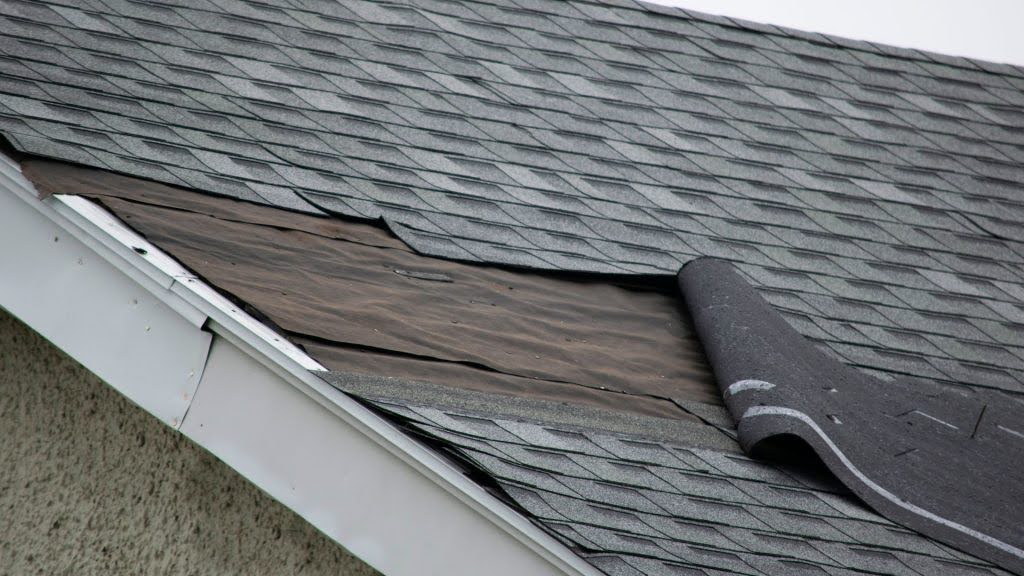
Not every roof emergency looks the same, and in Washington Court House, the type of roof on your home plays a big role in where problems show up first. Knowing which failure points are most common on your specific roof can help you spot trouble early and explain the damage clearly when you call for help.
If your roof has been through a storm or you notice water inside your home, matching the damage to your roof type helps the repair crew arrive ready to work. Getting the right fix done quickly is what keeps a manageable problem from turning into something much larger.
Ice & Snow Edge Protection
Along roof edges and in lower-slope areas, ice buildup can force water back under shingles and into your home long after a storm has passed. Emergency repairs in Washington Court House account for this by sealing vulnerable edge zones and addressing the underlying conditions that let ice and meltwater cause interior damage during winter weather.
Branch & Debris Impact Repairs
Severe thunderstorms in Fayette County regularly bring down tree limbs and airborne debris that can puncture roofing materials or crack shingles on contact. Emergency repair work includes clearing that debris, patching punctures, and making sure the damaged area is properly sealed so a second rainstorm does not make things worse before a full repair is complete.
Flashing Failure & Vent Leak Sealing
In older homes throughout Washington Court House, flashing around chimneys, dormers, and roof vents is often the first thing to give way under prolonged rain or temperature changes. Emergency repairs specifically target these joints and transitions because a small gap in aging flashing can let water travel far into the roof deck before it ever shows up as a visible ceiling stain.
Temporary Dry-In for Wet or Frozen Conditions
When weather conditions do not allow a full permanent repair on the same day, a proper temporary dry-in keeps your home protected through the next round of rain or freezing temperatures. The materials and methods used for this are selected to hold up through the repeated wet and cold cycles that are common in south-central Ohio, not just to get through a single dry night.